
Warum der RSQ8 eine durchdachte Aero-Strategie belohnt
Der Audi RSQ8 nimmt eine einzigartige Position in der Welt der Performance-Fahrzeuge ein. Mit 630 PS, Quattro Allradantrieb und einem Leergewicht von knapp 2.300 kg ist er einer der schnellsten SUVs, die je gebaut wurden – doch seine Proportionen erfordern einen anderen Ansatz für aerodynamische Modifikationen als ein konventioneller Sportwagen. Carbon Fibre Aero richtig am RSQ8 umzusetzen bedeutet weniger, maximale Abtriebswerte zu jagen, sondern vielmehr visuelle Autorität zu schaffen, aerodynamischen Widerstand bei Autobahngeschwindigkeit zu reduzieren und ein bereits imposantes Fahrzeug kohärent in etwas wirklich Außergewöhnliches umzuwandeln.
Die Herausforderung, der sich die meisten Besitzer gegenübersehen, besteht darin, zu wissen, wo man anfangen soll. Carbon Fibre Upgrades unterscheiden sich enorm in ihrer visuellen Wirkung, echtem aerodynamischen Nutzen und Kosten. Dieser Leitfaden durchbricht den Lärm mit einem klaren Rahmen – egal, ob Ihr Budget £500, £2.000 oder mehr beträgt oder Sie ein umfassendes Paket aufbauen.
Die drei Perspektiven: Visuelle Wirkung, Aero-Gewinn und Wert
Bevor Sie sich auf ein Teil einlassen, lohnt es sich, jedes Upgrade anhand von drei Kriterien zu bewerten:
- Visuelle Wirkung: Wie dramatisch verändert das Teil die Präsenz des Autos – besonders im Stillstand, wo die meisten Menschen das Fahrzeug sehen?
- Aerodynamischer Gewinn: Verändert die Komponente sinnvoll die Luftströmung, reduziert Auftrieb oder verbessert die Stabilität bei höheren Geschwindigkeiten? Bei einem schweren SUV sind marginale Gewinne weniger wichtig als bei einem rennstreckenorientierten Sportwagen, aber sie tragen immer noch zur Verfeinerung über 100 mph bei.
- Wert: Kosten im Verhältnis zur erbrachten Transformation. Ein £200-Teil, das den gesamten Frontbereich verändert, ist außergewöhnlicher Wert; ein teures Stück mit vernachlässigbarer visueller Veränderung ist es nicht.
Das Verständnis, wie jedes Teil in diesen drei Kriterien bewertet wird, ist der schnellste Weg, einen kohärenten Upgrade-Plan zu erstellen.
Die vier Kern-Upgrade-Kategorien
1. Front-End Carbon: Splitter, Canards und Grill-Trims
Die Front des RSQ8 ist sein am häufigsten fotografierter Winkel und der Bereich, in dem Carbon Fibre den unmittelbarsten Eindruck macht. Audis Werksstoßfänger ist gut proportioniert, wirkt in der Serienausführung jedoch anonym neben aggressiver gestalteten Konkurrenten.
Carbon Fibre Grill-Cover-Trims und Canard-Pakete sind der Einstiegspunkt hier. Das Audi RSQ8 4M Carbon Fibre Front Canards, Bumper Trim und Foglamp Covers (£299.95) liefern außergewöhnliche optische Rendite für ihre Kosten, indem sie scharfe, winkelige Details hinzufügen, die sich dramatisch fotografieren und Absicht signalisieren, ohne dass strukturelle Modifikationen erforderlich sind. Canards tragen auch zu einer bescheidenen aerodynamischen Funktion bei, indem sie die Luftströmung um die Vorderräder leiten und den Auftrieb an der Vorderachse bei höheren Geschwindigkeiten reduzieren.
Für Besitzer, die das Front-End-Design weiter perfektionieren möchten, fügen Carbon Fibre Frontbumper-Grill-Cover-Trims Tiefe und Kontrast zum großen RSQ8-Ansaugbereich hinzu und schaffen einen visuellen Ankerpunkt, der die gesamte Nase zusammenbindet. Mit hoher visueller Wirkung und Wert ist Carbon an der Front der natürliche erste Anlaufpunkt für fast jedes Budget.
2. Seitenschweller und Radhauserweiterungen
Bei einem SUV erfüllen Seitenschweller eine duale Funktion. Aerodynamisch reduzieren sie das Volumen der turbulenten Luft, die sonst unter der beträchtlichen Bodenfreiheit des Fahrzeugs vorbeiströmen würde, und verbessern die Stabilität. Optisch senken sie den wahrgenommenen Schwerpunkt des Autos – entscheidend bei einem Fahrzeug, das sonst oben schwer wirken könnte.
Das Audi RSQ8 4M Carbon Fibre Seitenschweller Extensions Lip Body Kit (£599.95) ist einer der transformativsten Einzelkäufe, die für die 4M-Plattform verfügbar sind. Gepaart mit Radhaustrims zum gleichen Preis, gibt die Kombination dem Auto eine stabile, breite Karosserie-Haltung, die die Lücke erheblich zwischen dem RSQ8 und dem Lamborghini Urus, mit dem er seine Basis teilt, schließt.
Seitenschweller schneiden bei allen drei Kriterien gut ab – visuelles Drama, legitimer Aero-Beitrag und starker Wert im Verhältnis zur Transformation, die sie liefern. Wenn das Budget nur eine größere Investition zulässt, ist dies häufig das Teil, auf das Besitzer später am positivsten zurückblicken.
3. Hintere Diffuser
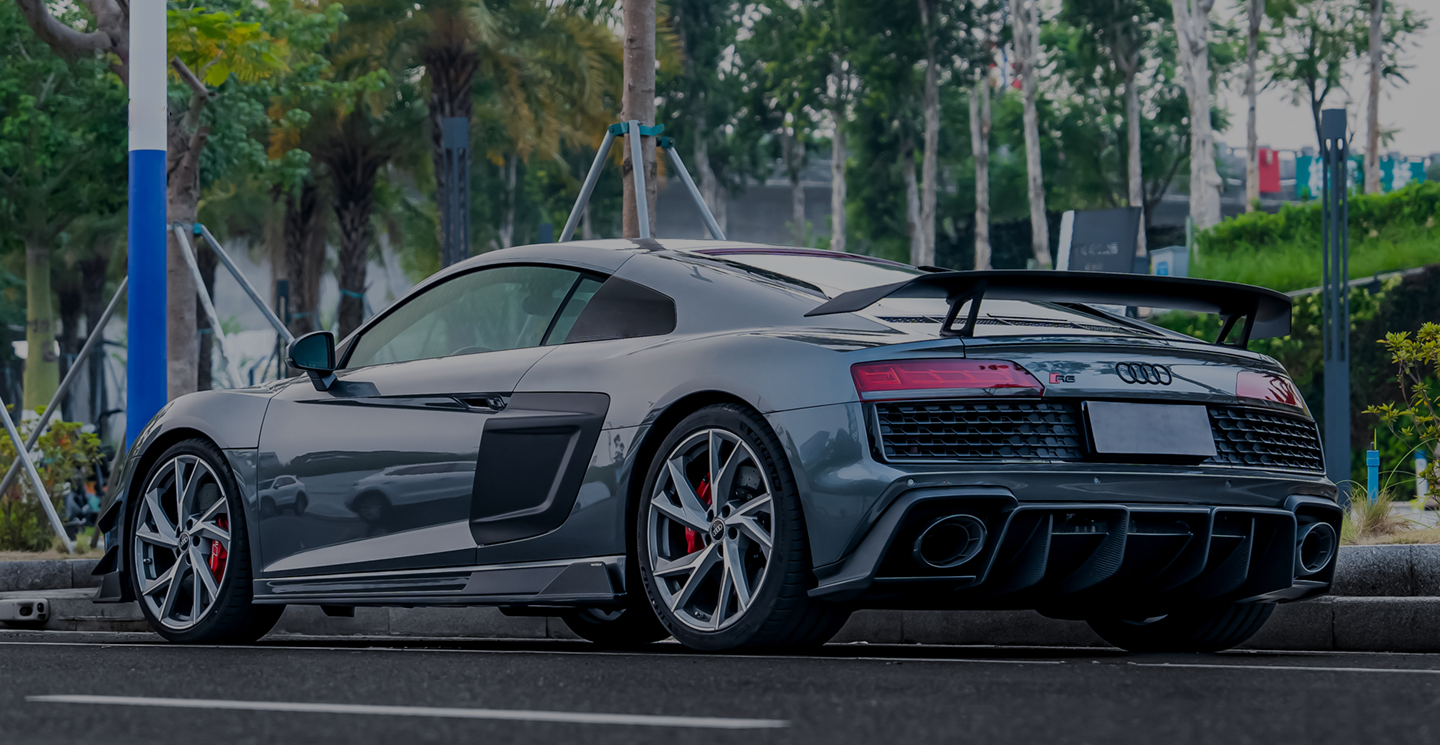
Eine richtig konstruierte hintere Diffuser ist die funktionell bedeutendste aerodynamische Komponente auf jedem Performance-Fahrzeug. Ihre Aufgabe ist es, die Luftströmung zu beschleunigen, die unter dem Auto austritt, den Druck unter dem Chassis zu reduzieren und die Stabilität der Hinterachse zu verbessern. Am RSQ8, der bei Geschwindigkeit erhebliche Turbulenzen unter seinem ebenen Unterboden erzeugt, trägt eine Diffuser sinnvoll zur Hochgeschwindigkeitsstabilität bei.
Das Audi RSQ8 4M Carbon Fibre Replacement Rear Bumper Diffuser (£995.95) ist eine Austauscheinheit und keine Zusatzkomponente, was eine werksseitige Integration mit dem Stoßfänger sicherstellt. Es schneidet in der Kategorie der aerodynamischen Gewinne am besten ab und liefert erhebliche visuelle Wirkung – die Rückseite des RSQ8, oft sein am meisten unterschätzter Winkel, wird mit ausgeprägter Blattdetaillierung transformiert, die ernst gemeint und Performance-orientiert wirkt.
4. Hinterer Flügel-Spoiler
Die Dachlinie des RSQ8 erzeugt bei Autobahngeschwindigkeiten bedeutenden Auftrieb. Ein Carbon Fibre Heckflügel spricht dieses Problem direkt an und fügt Abtrieb an der Hinterachse hinzu, der die Stabilität des Autos bei Hochgeschwindigkeitswechsel verschärft. Der Audi RSQ8 4M Carbon Fibre Heckflügel-Spoiler (£399.95) ist gut proportioniert für die Plattform – durchsetzungsfähig, ohne in überstyliertes Territorium abzudriften, das die raffinierte Charakter eines SUV untergraben kann.
Aus Wertsicht stellt der Spoiler eine der besseren Investitionen in der Produktpalette dar: sinnvolle Aero-Funktion, starke optische Wirkung aus dem Dreiviertelheck-Winkel und ein Preis, der sich für Mid-Range-Budgets eignet.
Empfohlene Upgrade-Reihenfolge nach Budget
Budget: Bis £600
- Front-Canards, Stoßfänger-Trim und Nebelscheinwerfer-Abdeckungen (£299.95) – maximale optische Rendite pro ausgegebenem Pfund
- Carbon Fibre Seitenspiegel-Abdeckungen (£199.95) – fügen Details zum Profil hinzu und passen zu zukünftigen Carbon-Paketen
- Grill-Cover-Trims (£349.95) – komplettiert die Front-End-Transformation
Budget: £600–£1.500
- Seitenschweller-Erweiterungen Lip Body Kit (£599.95) – das einzeln wirkungsvollste strukturelle Upgrade
- Heckflügel-Spoiler (£399.95) – komplettiert die visuelle Transformation von vorne nach hinten und fügt echte Aero-Funktion hinzu
- Front-Canards und Stoßfänger-Trim-Paket (£299.95) – rundet die Vorderseite ab
Budget: £1.500 und mehr – Aufbau eines vollständigen Pakets
- Seitenschweller (£599.95)
- Hintere Diffuser (£995.95)
- Heckflügel-Spoiler (£399.95)
- Radhaustrims (£599.95)
- Front-Canards und Stoßfänger-Trim (£299.95)
- Carbon Fibre Motorhaube (£2.399.95) – das charakteristische Statement-Piece für den kompletten Aufbau
Ein Hinweis zu Passform und Ausführung
Alle MH Customs RSQ8-Komponenten werden aus trockenem Carbon Fibre unter Verwendung von Prepreg-Konstruktion und Autoklav-Härtung hergestellt – dem gleichen Verfahren, das in Motorsport-Anwendungen verwendet wird. Dies erzeugt ein Teil, das erheblich leichter und steifer ist als Nass-Schicht-Alternativen, mit einem konsistenten 2×2-Leinwand-Gewebe, das das Licht richtig einfängt und seine Ausführung über die Zeit behält. Die Passform ist um OEM-Befestigungspunkte ausgelegt, was bedeutet, dass bei den meisten Teilen kein Schneiden, Bohren oder irreversible Modifikation erforderlich ist.
Wenn Sie ein vollständiges Paket aufbauen, lohnt es sich, die Installationsreihenfolge zu planen, um unnötige Entfernung von Komponenten zu vermeiden – beispielsweise Seitenschweller vor Radhaustrims montieren vereinfacht den Prozess erheblich.
Abschließend
Der RSQ8 ist bereits eine der fähigsten Maschinen auf der Straße. Das Ziel eines gut durchdachten Carbon Fibre Aero-Programms ist nicht, zu verbergen, was es ist, sondern es unmöglich zu machen, es mit etwas anderem zu verwechseln. Beginnen Sie mit den Teilen, die die sichtbarste Veränderung pro ausgegebenem Pfund liefern, und bauen Sie dann methodisch auf das komplette Paket auf, das Ihr RSQ8 verdient.